Small Town Heart, Big City Soul
By Lorenzo Gonzalez
Aug 12, 2025
The Bronx’s Hidden Seaside
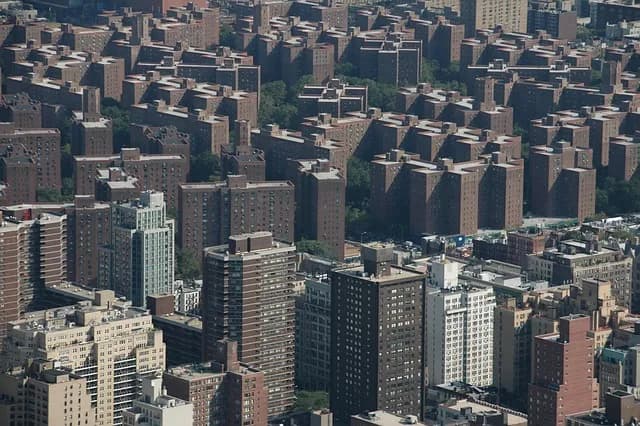
The Bronx. A borough known worldwide for its tough streets and tougher people. It’s New York’s tough older brother — but it has its hidden charms. Imagine a New England-style fishing village with nautical flags, seafood shacks, shingled houses, and a beach on every corner.
This place exists, and it’s part of The Bronx. City Island, located in the borough’s northeast corner, spans about 253 acres — roughly 1.5 miles long. It’s famous for its seafood restaurants, neighborly locals, and a laid-back atmosphere far removed from the chaos of the city.
From Native Land to Maritime Hub
Up until the 1600’s, the island was inhabited by Native Americans, until an English physician, Thomas Pell, had claimed ownership after signing a treaty with the locals in 1654. After Pell’s acquisition, it was sold a century later to Benjamin Palmer of New York who envisioned it as a possible major seaport in the western side of the Long Island Sound. The population was still small, as about only 1000 people had lived there. Mainly farmers and other field workers.
Still, Palmer was still very adamant on developing the island into a major port, which could compete with that of New York. He very carefully planned out the layout of the island with amenities that can cater to naval vessels, and also received patents from the British Crown that covered the ownership of waterfront properties around the island. This was known as the Palmer Grant and is unique to City Island.
The island was renamed New City Island, and a ferry to the mainland launched in 1763. But the Revolutionary War halted Palmer’s plans when the British occupied the island. Attempts to revive the project in the 1790s fizzled out.
Oysters, Shipyards, and Warships
City Island’s early settlers were farmers and fishermen. A solar salt works failed in the 1820s due to the lack of a bridge. Then, in the 1830s, shipbuilder Orrin Fordham revolutionized the oyster trade, turning the island into an oyster boomtown. By the late 1800s, about 100 families thrived in the business..
When oysters declined, boat building took over. The David Carll Shipyard, founded in 1862, became known for luxury yachts and racing ships, cementing the island’s maritime legacy.
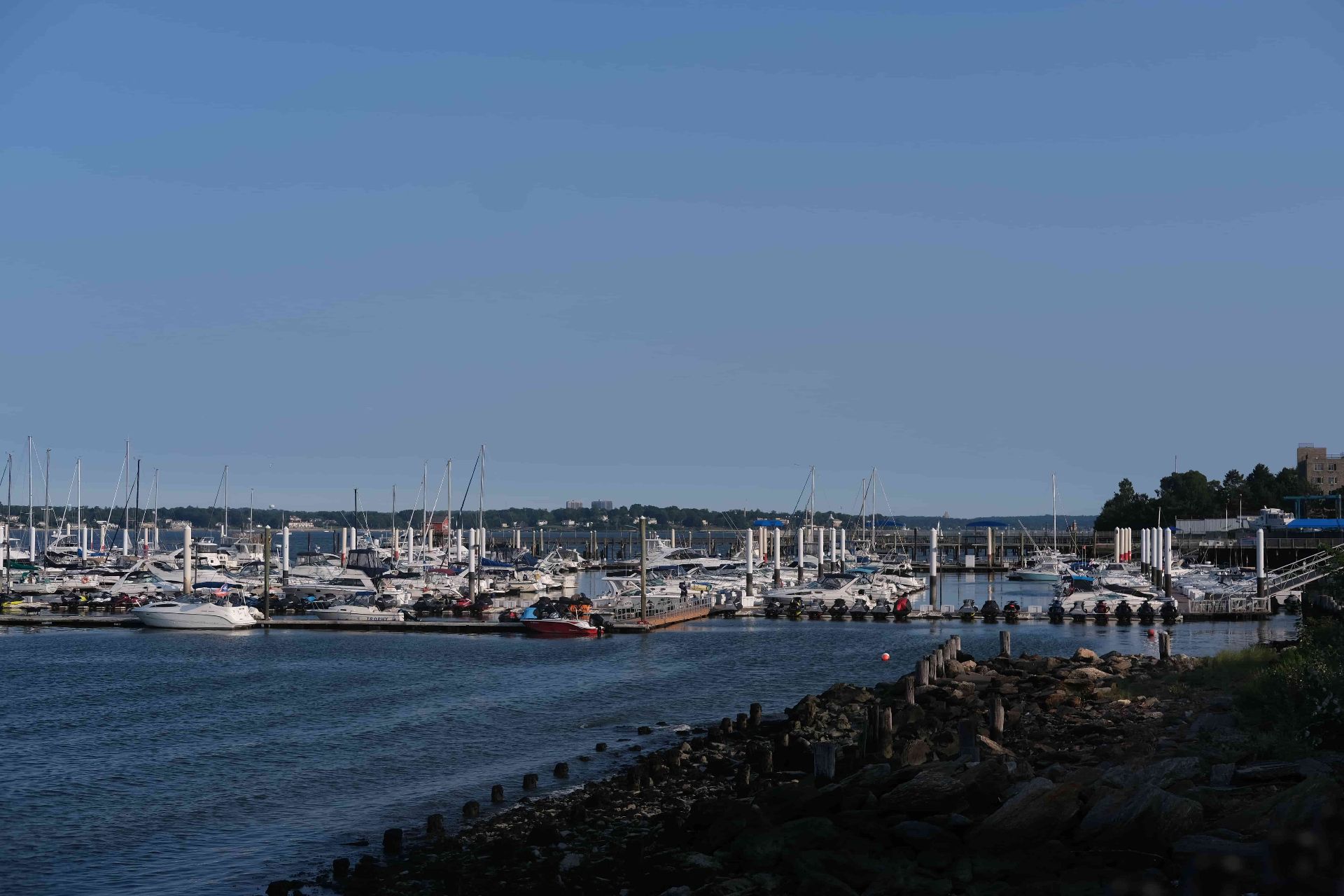
Image by Lorenzo Gonzalez
During both World Wars, shipyards shifted from yachts to military vessels, building subchasers, PT boats, landing craft, and minesweepers. After the wars, yachting returned, and City Island boatbuilders produced 12-meter sloops that successfully defended the America’s Cup.
Bridges, Preservation, and Today
Until 1895, City Island was part of the town of Pelham in Westchester County. That changed when residents voted to join New York City, shifting the island’s future forever. Back in 1873, David Carll built a wooden toll bridge using timbers from the old battleship North Carolina. Then, in 1901, New York City replaced it with a new steel bridge — the same one that stood until it was demolished in 2016.
Limited access to the island has kept dense development at bay, though weekends in spring and summer bring heavy traffic. Because of this, City Island has managed to hold onto its small-town charm. While boatbuilding is a thing of the past, yacht clubs, marinas, and popular seafood restaurants still fuel the island’s economy and community vibe
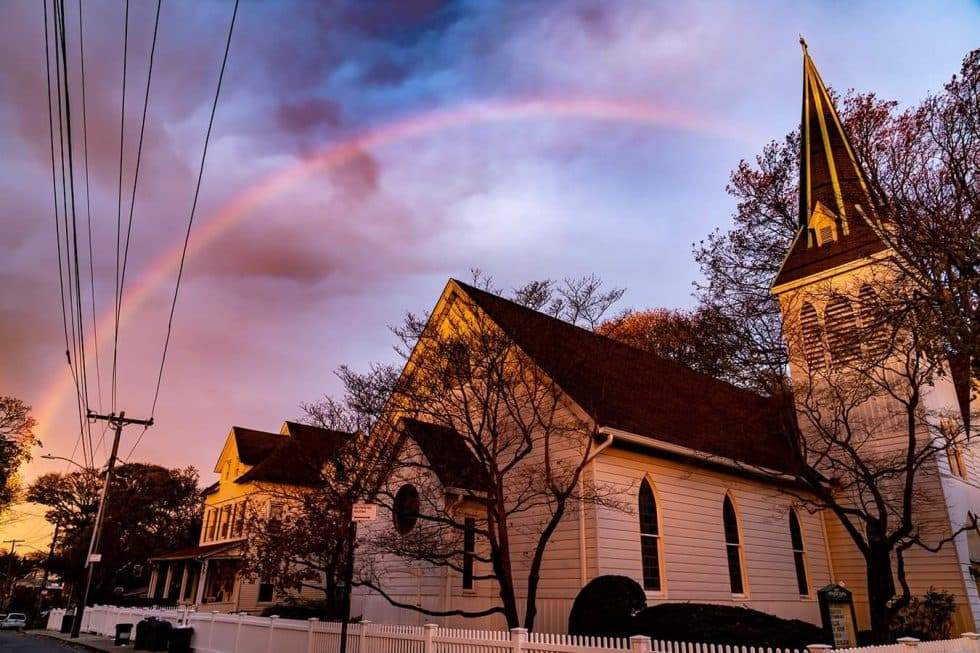
Trinity Methodist Church (Image by Ron Turner)
City Island today feels like a small coastal town dropped into the middle of New York City. Away from the Bronx’s usual hustle, it’s a place where the salty air, clinking sailboats, and seafood aromas create a vibe all its own. Locals know each other, and visitors come for the famous clam chowder, fresh oysters, and the simple escape from city chaos.
Despite being part of NYC, the island has resisted the rush of overdevelopment. Its narrow streets, cozy shops, and bustling marinas keep the community tight and authentic. Whether it’s watching sailboats glide by, dining at a waterfront restaurant, or just strolling the shoreline, City Island offers a rare mix of urban edge and laid-back seaside charm.
It’s a reminder that even in a city that never sleeps, there are quiet corners where tradition and community still matter.
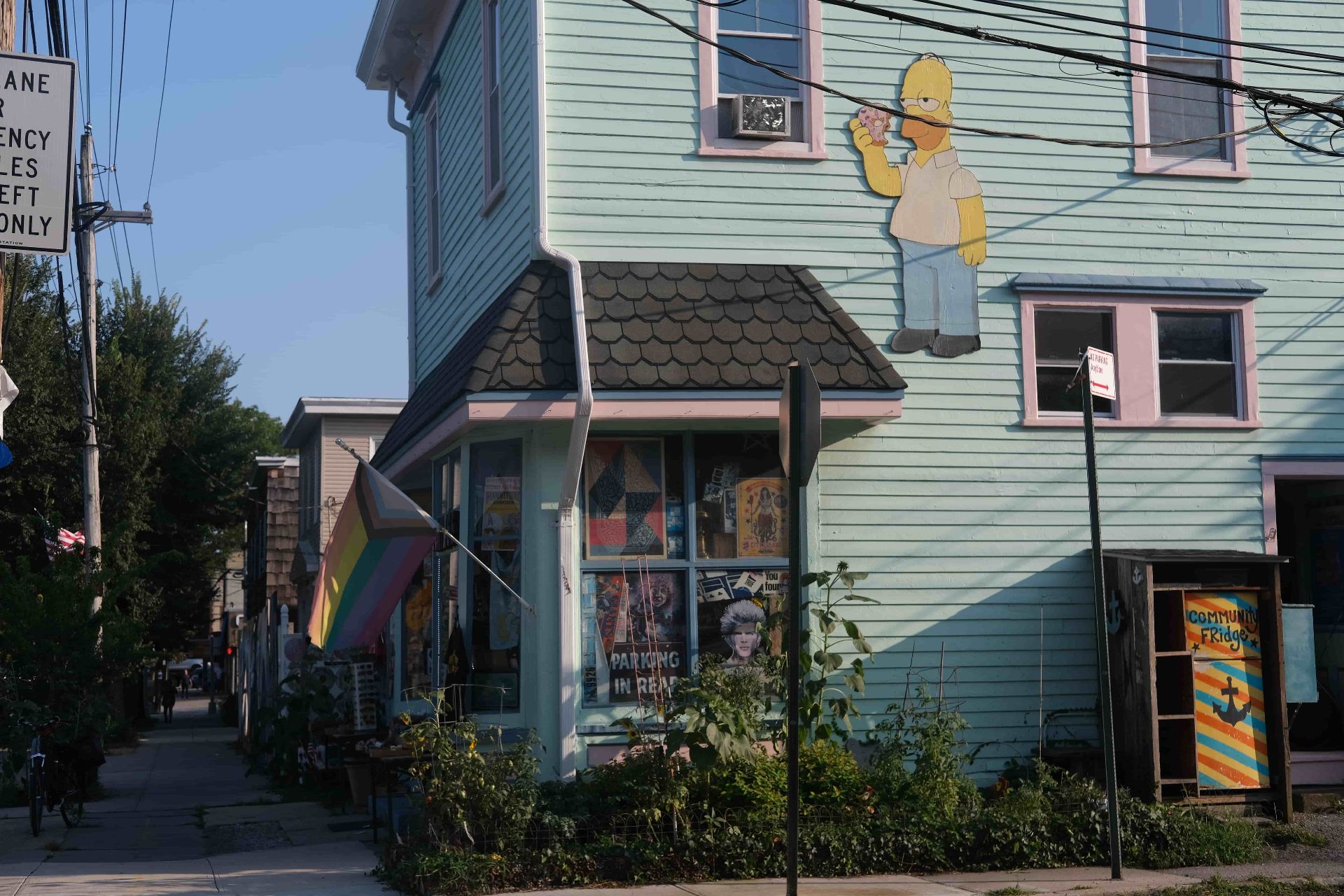
Image by Lorenzo Gonzalez
The Not Project Take
We believe in preserving the history that built New York City. Whether it’s a world-famous landmark or a quiet island tucked away from the spotlight, every piece of the city’s story deserves equal care. City Island, with its unmatched hospitality and culture unlike anywhere else in NYC, is proof that even the smallest communities can hold the biggest character.
Today, there are only two ways to reach City Island — by bus or by car — and only two main roads lead there: the Hutchinson River Parkway and Bronx and Pelham Parkway. This limited access keeps the island’s charm intact but also creates challenges, especially in the warmer months when tourism peaks and traffic grinds to a halt.
For years, residents have pushed for an NYC Ferry stop, believing it would ease congestion while inviting more people to experience the island. After visiting ourselves, we agree. A ferry could bring visitors in a more organized, sustainable way — protecting the roads, respecting the locals, and making sure everyone can enjoy this rare Bronx gem without losing what makes it special.
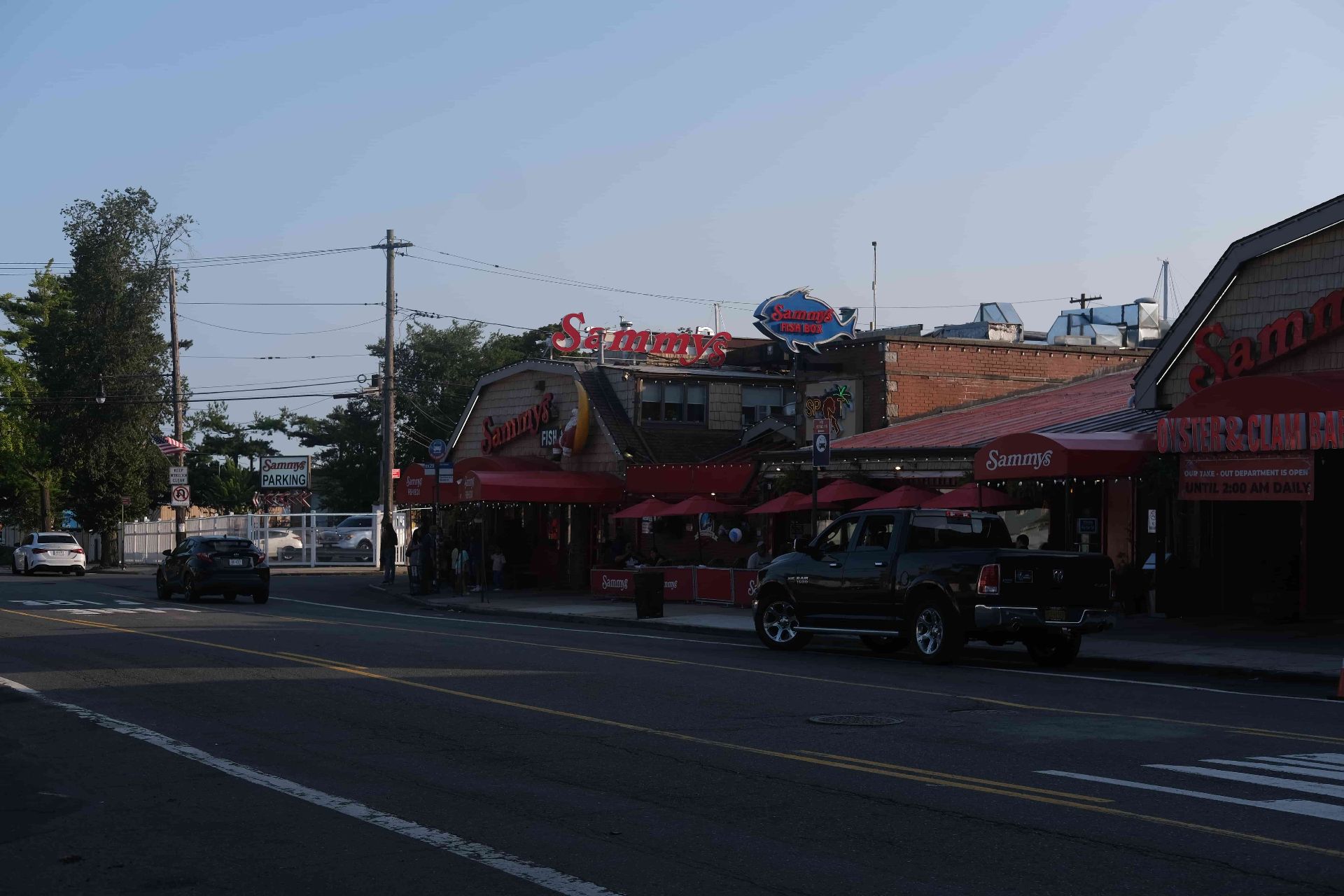
Image by Lorenzo Gonzalez