Colombia’s Independence Day in NYC: Pride, Culture, and Celebration
By Lorenzo Gonzalez
Jul 23, 2025
A City Alive With Colombian Spirit
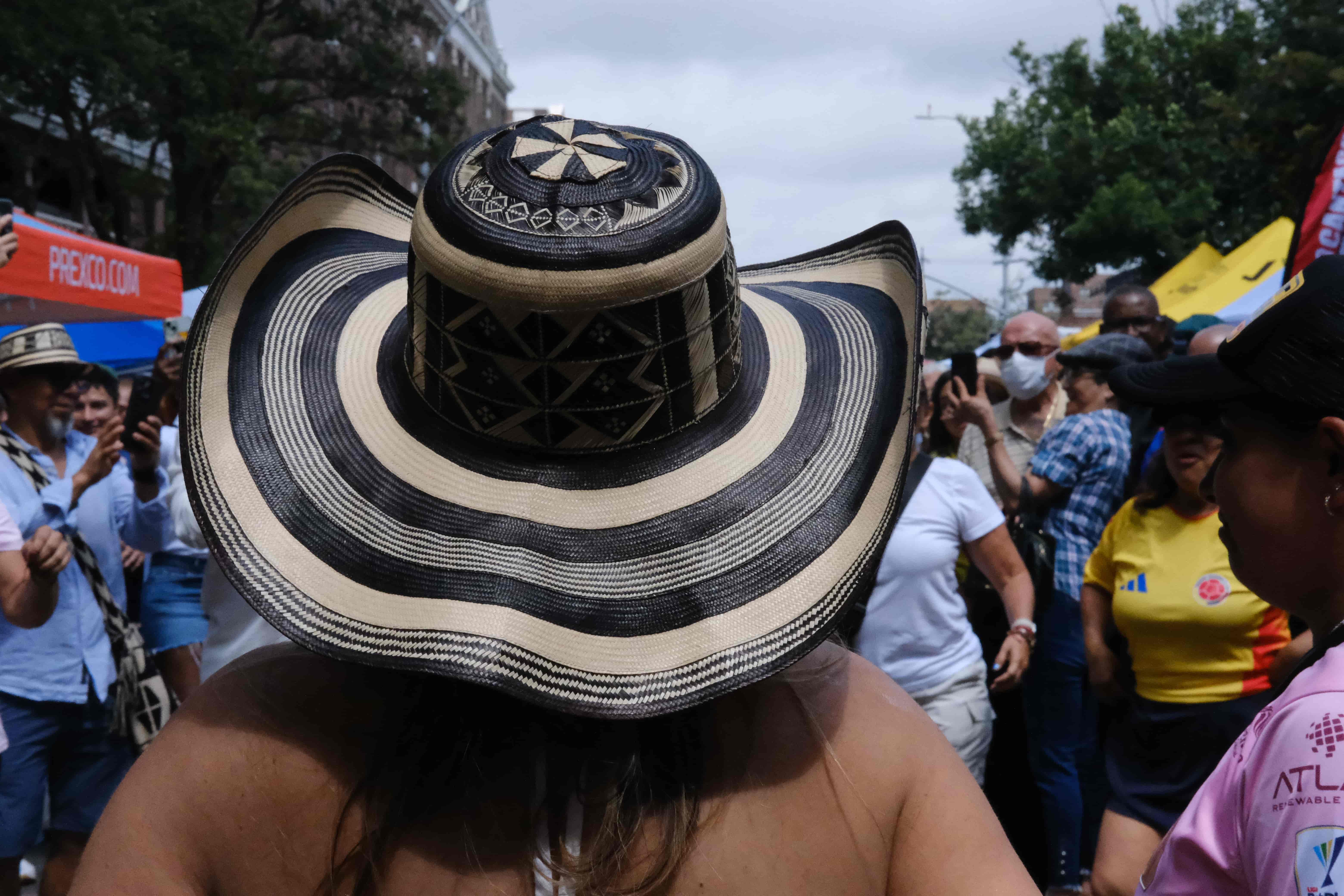
A vivid celebration of music, food, and national pride took over Flushing Meadows Corona Park this July as Colombians across NYC gathered to honor their country’s independence. Though originally anticipated as a parade, the celebration manifested as a massive cultural festival, and it didn’t disappoint. With thousands in attendance, this event offered more than just a party: it was a reminder of Colombia’s enduring spirit, and of how deeply embedded Colombian culture is in New York City
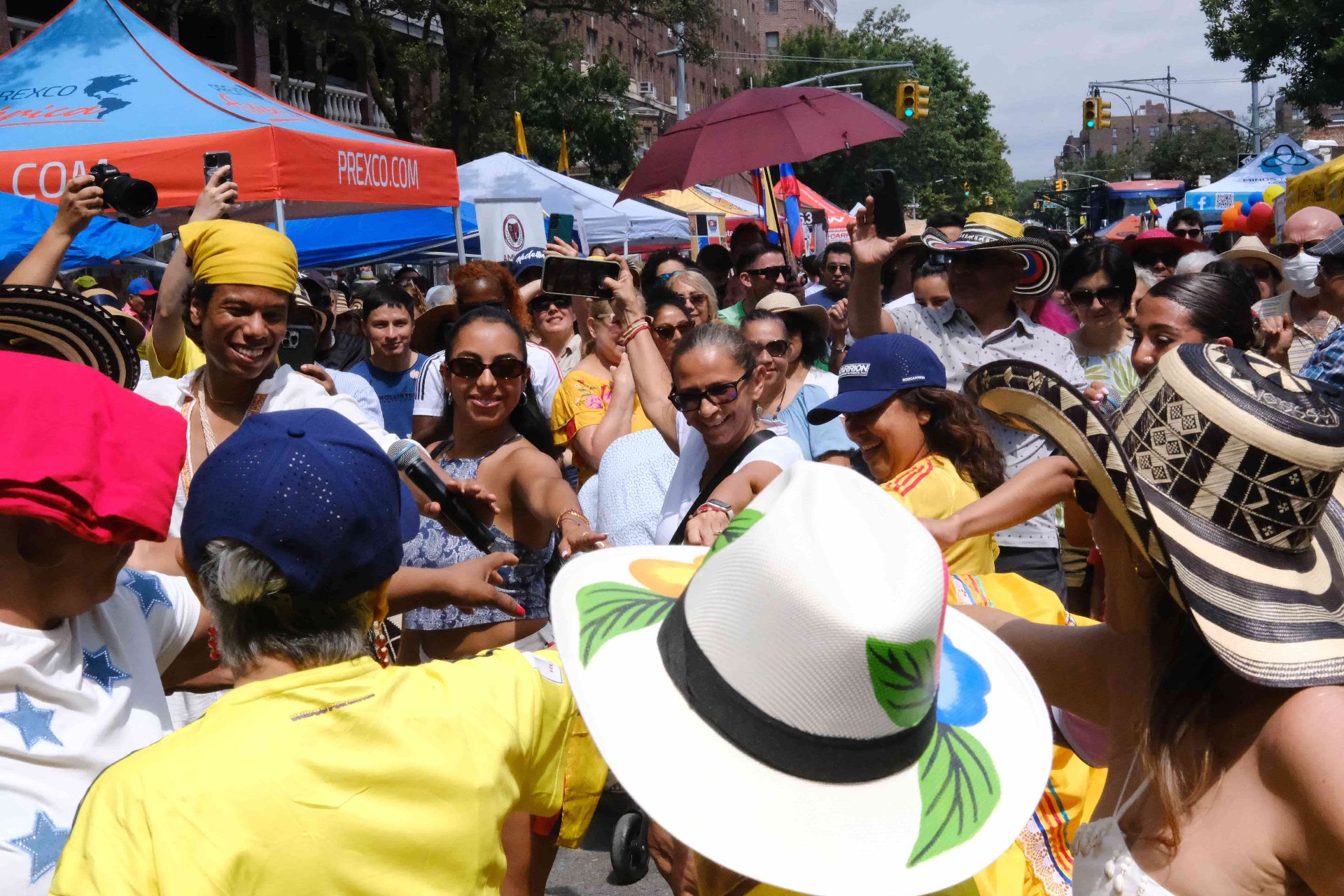
People dancing cumbia at the Calle Colombia Street Festival. Photo by Lorenzo Gonzalez.
A Historic Date with Global Reverberations.
Every year on July 20, Colombians around the world celebrate their nation's independence from Spanish colonial rule — a pivotal moment that began in 1810 in Bogotá with a grassroots uprising known as the "Florero de Llorente" incident. It sparked a wave of revolutionary momentum across the region, setting the stage for full liberation over the following decade.
Colombia’s independence movement wasn’t just a singular act, but part of a broader tide of Latin American emancipation, with figures like Simón Bolívar (a Venezuelan-born general who led campaigns across multiple nations) playing a central role in liberating Colombia, Venezuela, Ecuador, and others from European control. He is known as “El Libertador”.
Colombian NYC: A Proud, Growing Diaspora
New York City is home to over 100,000 Colombians, making it one of the largest diasporas in the United States. Local neighborhoods like Jackson Heights, Corona, and Elmhurst in Queens have become a cultural hub for Colombian life, dotted with bakeries serving pandebonos, music stores selling vallenato CDs, and family-run restaurants where soccer games are played over the counter.
This community brings more than just culture, it brings vibrancy, labor, and political engagement. Many Colombians are active in labor organizing, small business ownership, and city life at every level. The celebration of July 20 in New York is both festive and deeply rooted in identity.
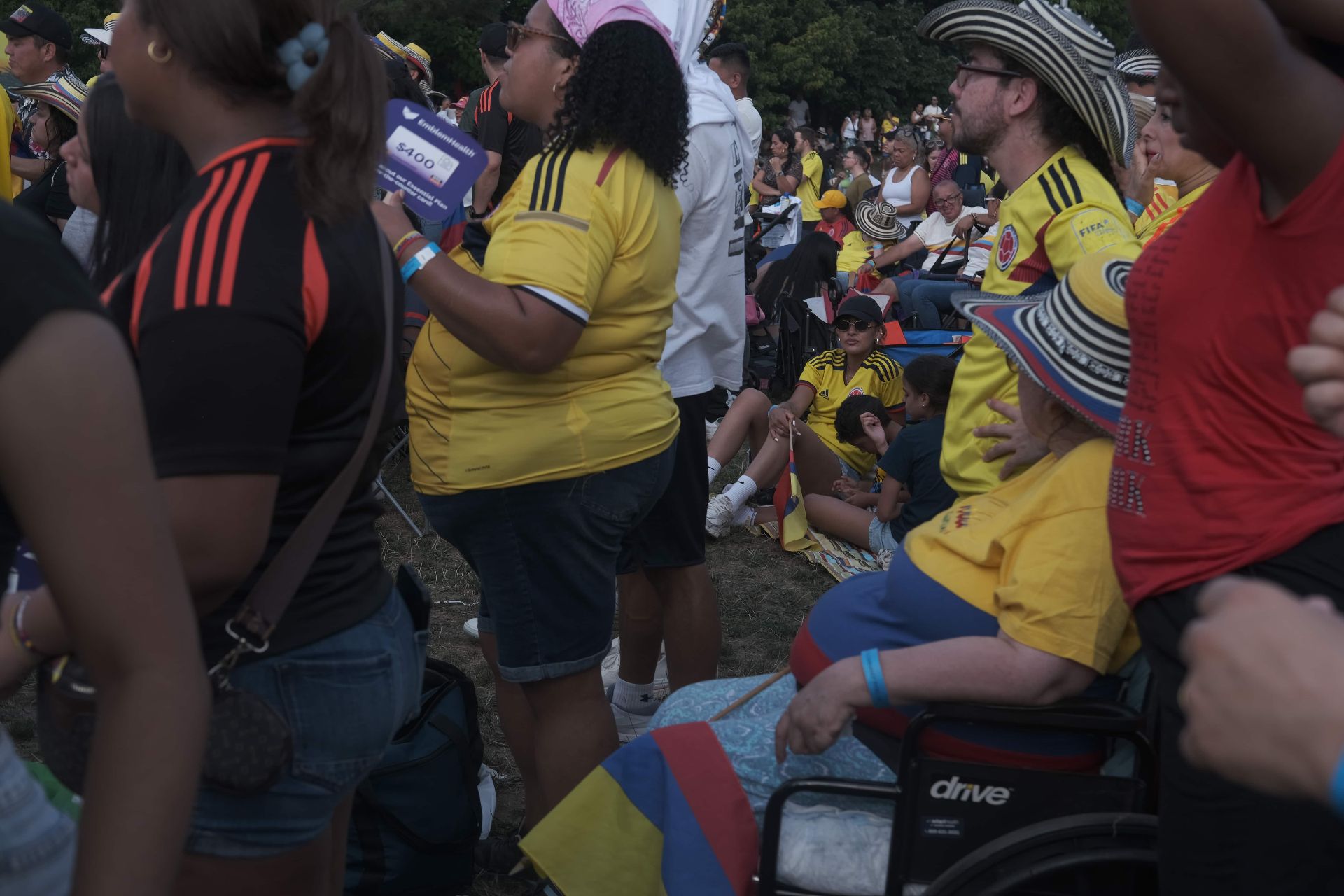
Photo by Lorenzo Gonzalez.
Colombia was always there: A Personal Connection
I was born and raised in New York City, if that hasn’t been obvious already. But home, for me, was always a Venezuelan household, shaped by Venezuelan parents and traditions. Still, Colombia was never far. It was woven into the fabric of my upbringing.
My grandmother was born in Cúcuta, right on the Venezuelan-Colombian border, and my great-grandfather in Bucaramanga, just beyond. I carry Colombian blood, and a good part of my extended family has roots there even if many of them moved to Venezuela young or simply lived by the culture more than the flag.
Being raised Venezuelan was an absolute blessing, but I’ve always had a deep appreciation for Colombian culture. It wasn’t just pabellón at the dinner table—it was bandeja paisa too. It wasn’t just llaneros blasting from the radio, it was also vallenatos. What we shared most, though, was a love for salsa and arepas (though let’s be honest, la arepa is Venezuelan).
I still go back and forth with my Colombian friends about the beauty of both countries. But one thing I never debate is the deep love and respect I hold for Colombia and its people. The spirit of Colombia and its people will live on forever, and the brotherhood between Venezuela and Colombia is an unbreakable bond built on love that will last forever.
The Kickoff: Jessica Ramos’ Cultural Event in Queens
On July 12, just days before the official Independence Day festivities, State Senator Jessica Ramos, who represents parts of Jackson Heights and Corona, hosted a Calle Colombia Festival in Queens. The event included music, traditional dancers in vibrant costumes, and community leaders addressing the crowd in Spanish and English.
It was more than just a warm-up, it was a nod to the growing political visibility of the Colombian community in New York, and an affirmation of cultural pride ahead of the city's larger celebrations. In the days leading up to the festival at Flushing Meadows, the city was alive with a flurry of parties, gatherings, and cultural events. Local venues hosted salsa and reggaetón nights, block parties brought neighborhoods together, and families organized cookouts and dance sessions. The atmosphere was electric. It was a true buildup of pride and celebration that carried the community right into the heart of the festival day.
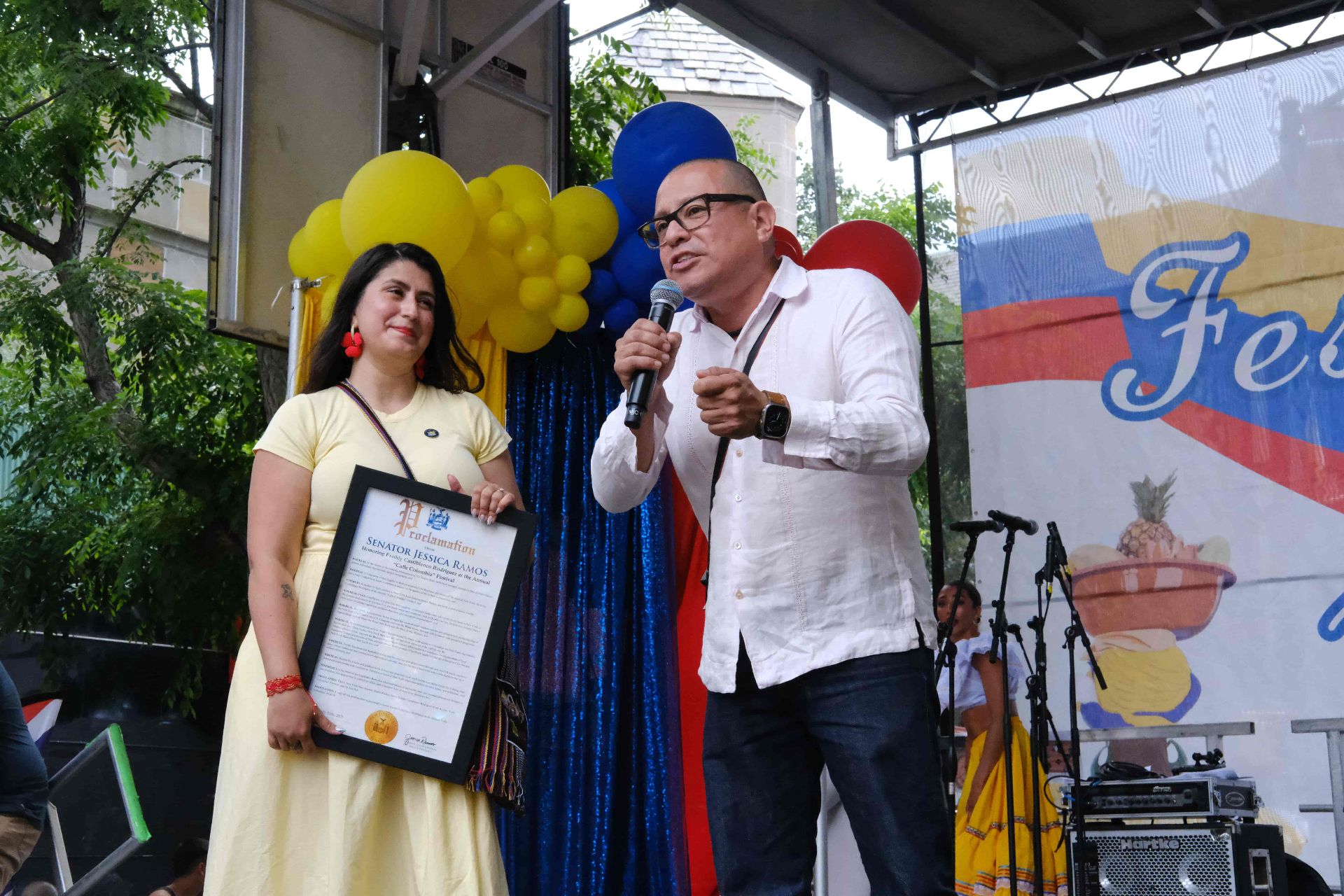
State senator Jessica Ramos presenting a plaque to local business owner, Freddy Castiblanco Rodriguez. Photo by Lorenzo Gonzalez.
Festival Day: July 20 at Flushing Meadows
The heart of the celebration was one big stage set up in Flushing Meadows–Corona Park, where live music flowed all day long. Performers brought vallenato, cumbia, and reggaetón beats that had the crowd moving, while dancers in traditional dress added color and life to the scene.
The park was filled with families and friends gathered on blankets and folding chairs, sharing plates of arepas, empanadas, bandeja paisa, and refreshing cholados. Vendors sold crafts and jerseys, giving the festival a community market feel.
It wasn’t flashy or overwhelming, it was real. A day where people came together to enjoy music, food, and each other’s company, celebrating Colombia’s culture in a way that felt honest and true to the neighborhood.
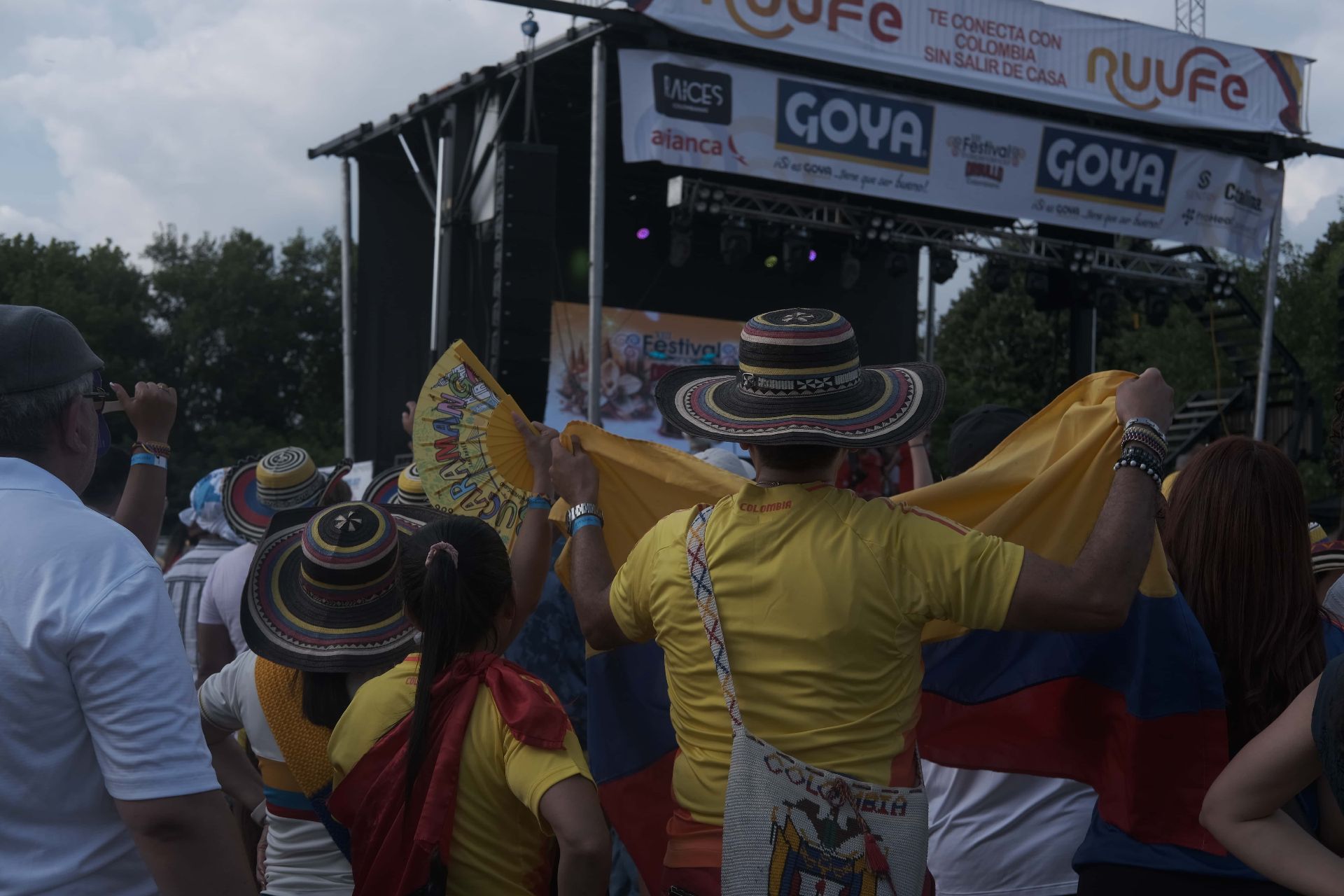
Photo by Lorenzo Gonzalez.
Why It Matters
Colombian Independence Day is more than just a date; it’s a celebration of identity, resilience, and community. For New York’s Colombian diaspora, it’s a moment to honor the struggles of their ancestors, celebrate their contributions, and pass cultural traditions on to future generations.
In a city as diverse as New York, these celebrations enrich the mosaic of cultures, reminding everyone of the strength found in unity and heritage. Whether through music, food, dance, or family, the spirit of Colombia beats loudly here, bringing people together to remember where they come from and inspire where they’re going.
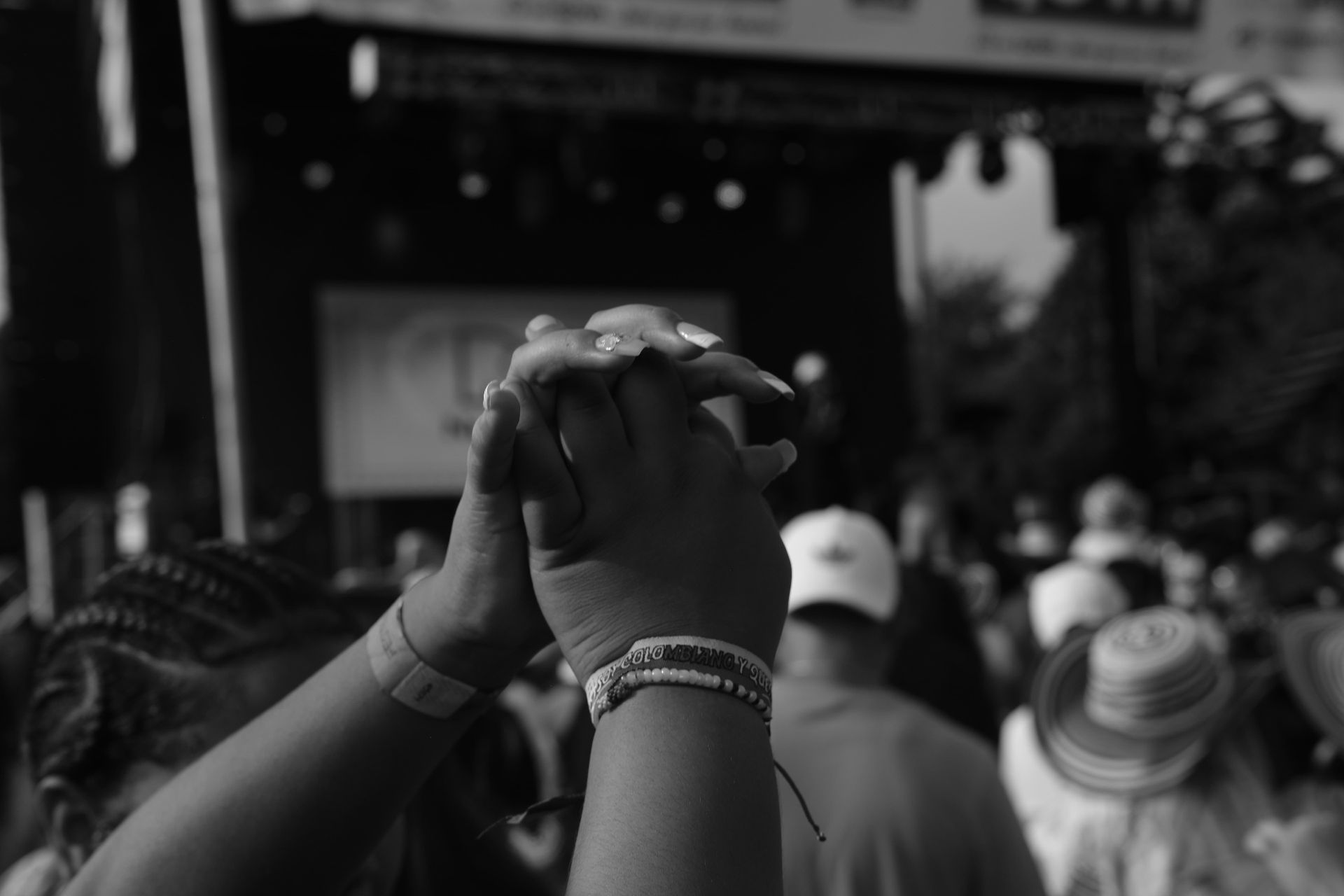
Photo by Lorenzo Gonzalez
Stay Connected and Celebrate With Us
If you want to keep up with upcoming Colombian events in New York City, from festivals to cultural gatherings, check out these great resources:
Queens Latino — A hub for Latino events across Queens, including Colombian celebrations.
Colombian American Association of New York — Offers cultural events, educational programs, and community support.
NYC Department of Cultural Affairs — For city-wide cultural festivals and permits.
To see photos, videos, and stories from this year’s festival, follow The Not Project on Instagram @_thenotproject and X The Not Project. We’ll be sharing moments that bring the spirit of the Colombian community in NYC to life.
Join us and stay connected to the vibrant heart of Queens where culture, community, and celebration meet.